

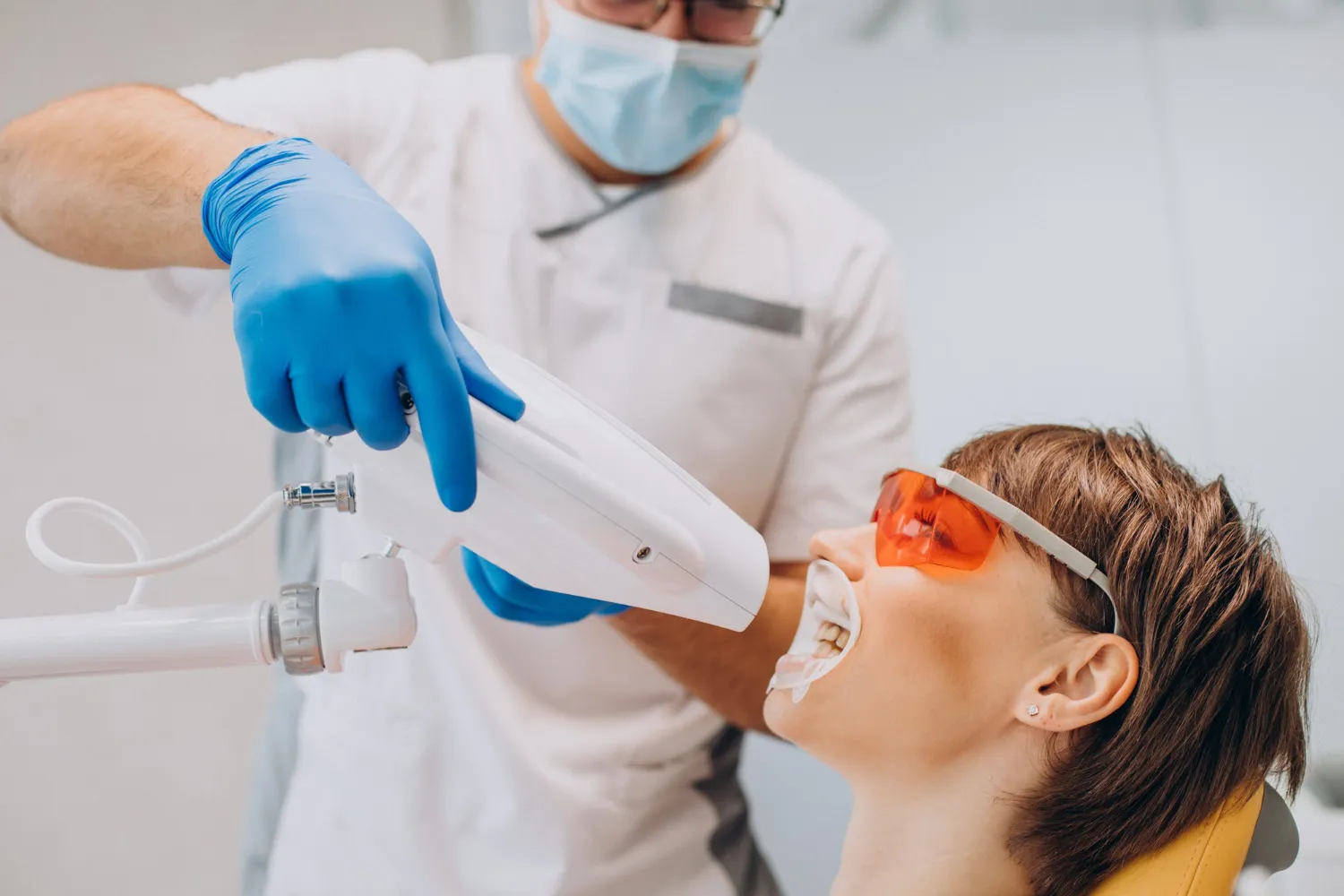
Not all stains respond to teeth whitening. Some stains come from outside your teeth and whiten easily. Others come from deep inside and may not respond to teeth whitening in SW Calgary. Understanding which stains can be removed helps you make the right choice. When you visit a dentist, your dentist can examine your teeth and tell you exactly what type of stains you have. Professional whitening works best for surface stains, but a dentist in SW Calgary can recommend other solutions if whitening alone won’t help your smile.
What Causes Teeth Stains?
Teeth get stained for many reasons. Understanding where stains come from helps you understand whether teeth whitening near you will work. Some stains are easy to remove. Others are stubborn and need different treatments.
Common stain causes include:
- Coffee and tea
- Red wine
- Smoking
- Certain medications
- Age
- Injury to the tooth
- Fluorosis (too much fluoride as a child)
Two Main Types of Stains: Surface and Deep
Surface Stains (Extrinsic): These stains sit on the outside of your tooth. They come from food and drinks. They’re usually easy to remove with whitening.
Deep Stains (Intrinsic): These stains are inside your tooth structure. They come from medications, fluorosis, or injury. Whitening doesn’t always work on these stains.
What Types of Stains Can Be Removed by Teeth Whitening?
Coffee and Tea Stains: These are surface stains from repeated exposure. Professional whitening removes them beautifully.
Wine and Dark Soda Stains: These sit on your tooth surface. Whitening treatments work very well on these stains.
Tobacco Stains: Stains from smoking are primarily surface stains. Whitening can lighten them significantly.
Age-Related Yellowing: As you age, your outer layer (enamel) gets thinner and yellower underneath shows through. Whitening can help with the surface yellowing.
General Discoloration: Over time, teeth naturally become dull. Professional whitening brightens overall tooth colour.
Stains That Whitening Cannot Remove Easily
Antibiotic Stains: If you took certain antibiotics as a child (like tetracycline), staining developed inside the tooth. Whitening doesn’t work well for these stains. Veneers or crowns work better.
Fluorosis Stains: Too much fluoride as a child causes white or brown spots inside teeth. Whitening won’t remove these spots.
Stains from Dead Teeth: If a tooth died from injury or infection, it turned grey or dark. Whitening doesn’t work because the stain is inside. Root canal treatment or a crown might help.
Metal Stains: Stains from metal fillings or metal-based medications don’t respond to whitening.
Natural Stains: Some people are born with naturally dark tooth structures. These respond less to whitening than other stains.
Signs You May Need Professional Teeth Whitening
- Your Teeth Look Dull: Food and drinks daily make teeth look dull and stain them. Whitening restores brightness.
- Stains Won’t Brush Away: You brush and floss every day, yet the stains won’t brush away. Professional whitening eliminates stubborn surface stains.
- Your Smile Affects Your Confidence: Dark teeth make you self-conscious about smiling. Whitening helps you smile freely.
- You Have a Special Event Coming: Wedding, interview, or important meeting? Whitening gives you a bright smile quickly.
- Stains Got Worse Over Time: Years of coffee or wine drinking cause noticeable staining. Professional whitening makes a dramatic difference.
- You Want a Visible Change: If you want to improve your appearance, whitening is one of the most affordable cosmetic treatments.
What to Expect During a Professional Teeth Whitening Treatment
Step 1: Examination (5-10 minutes): Your dentist at a dental clinic near you examines your teeth and identifies your stain type. They discuss realistic results based on your stains.
Step 2: Protection (5 minutes): Your dentist places protective barriers on your gums to keep whitening gel away from soft tissue.
Step 3: Gel Application (30-45 minutes): Professional-strength whitening gel is applied to your teeth. A special light activates the gel. The gel stays on for specific intervals, then gets rinsed away. This process repeats several times.
Step 4: Final Rinse and Fluoride (5-10 minutes): Your dentist rinses everything away and applies fluoride to protect your teeth.
Step 5: Results and Instructions (5 minutes): You see your results immediately. Your dentist gives you care instructions to keep your teeth white.
How Teeth Whitening Improves Your Smile and Confidence
A whiter smile will give your teeth a better appearance. It alters your perception of your self-worth. People who smile brighter do so often. Social situations do not intimidate them anymore. They create more favourable impressions.
Having your teeth whitened professionally boosts your confidence and your smile:
- You witness results changing at a fast pace.
- Your smile looks young.
- You appear more charming.
- You seem more at ease in pictures.
- You interact with the public.
Understanding Your Whitening Options
Don’t worry, there are answers to your toughest stains too! Certain blemishes benefit from whitening. Some people have better reactions with veneers, bonding, or crowns. A dentist can take a look at your teeth and create a treatment plan.
The key is professional guidance. What works for one type of stain won’t work for another. Getting expert advice ensures you choose the right treatment.
Let’s Create Your Brightest Smile with Beyond Dental
If you’re wondering whether your stains can be removed, Beyond Dental is here to help. Our experienced team examines your teeth carefully and explains exactly what’s causing your stains. We discuss which treatments will work best for your unique situation.
Whether your stains respond to whitening or you need a different solution, we’ll create a plan that gives you the bright, confident smile you deserve. We answer all your questions and make sure you feel completely comfortable with your choice. Call us today to schedule your smile consultation and take the first step toward a whiter, brighter smile.
Questions People Often Ask
Does professional whitening lighten real stains?
No. Surface spots yield well to treatment. Stains caused by medication or fluorosis are considered deeper than regular stains, which means they may require other treatment options such as veneers and crowns.
How long does it take for whitening to work?
Your appointment will yield results. Most individuals achieve optimal results after one treatment.
Can I whiten stains from old fillings?
Fillings don’t whiten. Your dentist can replace them with tooth-coloured materials that match your newly whitened teeth.
Will whitening damage my tooth enamel?
No. Professional whitening is safe when done by your dentist. It doesn’t damage enamel or tooth structure.