

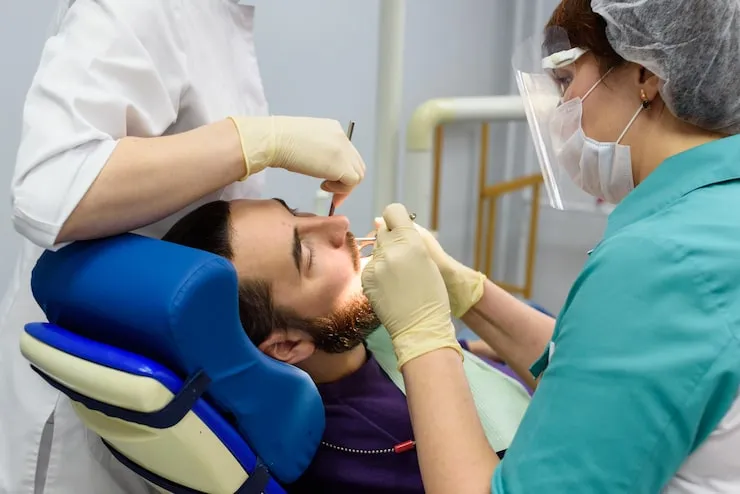
Yes, sedation dentistry is safe when administered by trained professionals in a proper dental setting. Sedation dentistry in Calgary helps thousands of patients overcome dental anxiety and get the care they need without fear or stress. If you have been avoiding the dentist in Calgary because you feel nervous or scared, sedation dentistry might be the solution that changes your life. Understanding how it works and what to expect helps you feel confident about your decision to move forward with treatment.
What Is Sedation Dentistry?
Sedation dentistry uses medication to help you relax during dental procedures. You remain conscious, but your mind enters a calm, peaceful state where anxiety disappears. It is different from general anesthesia, where you fall completely asleep. With sedation dentistry, you can respond to the dentist’s instructions, but you feel relaxed and comfortable the entire time.
There are different levels of sedation. Minimal sedation just helps you feel a bit calmer.
Moderate sedation makes you very relaxed and drowsy. Deep sedation is close to sleep, though you can still be awakened. Your dentist at a dental clinic near you decides which level is right for you based on your anxiety level and the type of procedure you need. Safe sedation dentistry options in Calgary range from light sedation for simple cleanings to deeper sedation for complex surgical procedures.
How Does Sedation Dentistry Make Dental Care More Comfortable?
When you feel anxious at the dentist, your whole body tenses up. Your heart races, your breathing becomes shallow, and you focus on every sound and sensation in your mouth. This makes the experience feel longer and more stressful. Sedation medication calms your nervous system, so your body relaxes completely. You do not feel pain because the dentist still uses local numbing medicine. You do not feel time passing slowly because your mind is in a peaceful state. Many patients say they blink and suddenly the procedure is finished.
Sedation helps people who avoid the dentist completely because of fear. It helps people who have had bad experiences in the past. It helps people with physical conditions that make sitting still difficult. It even helps people who simply want to be more comfortable and relaxed during their appointment.
Is Sedation Dentistry Actually Safe?
Safety is a fair concern, and the answer is reassuring. Sedation dentistry near you is very safe when provided by dentists who have proper training and certification in sedation techniques. The dentist or a trained anesthesia specialist monitors you constantly throughout the procedure. They watch your heart rate, blood pressure, oxygen levels, and breathing. They use the same safety equipment and monitoring devices that hospitals use.
Before your appointment, you will have a consultation where the dentist learns about your medical history. You will discuss any medications you take, any allergies you have, and any health conditions that might affect sedation. This information helps your dentist choose the safest sedation option for you. Most people can safely receive sedation dentistry without any problems.
The sedation medications used in dental offices have been used safely for decades. They wear off quickly and predictably. Serious complications are extremely rare, especially in healthy patients. Your dentist can stop the sedation at any time if needed, and the medication leaves your body within hours.
Who Should Avoid Sedation Dentistry?
Some people should not receive sedation dentistry without extra precautions. People with certain heart conditions, breathing problems, or liver and kidney disease need special evaluation. People who are pregnant should discuss sedation carefully with their dentist. People taking certain medications might have interactions with sedation drugs. This is why your medical history conversation before treatment is so important.
Your dentist will be honest with you about whether sedation is safe for your specific situation. If you have any health concerns, ask questions and share all the details about your health. This helps your dentist keep you safe.
What Should You Expect After Sedation?
After your procedure, the sedation wears off gradually. You might feel drowsy or a bit fuzzy for a few hours. Most people feel normal by the next day. You cannot drive or operate machinery after sedation, which is why you must arrange for someone to pick you up. You should not make important decisions the day of your appointment because your judgment might be slightly affected.
Take Control of Your Dental Health Today
Our highly trained team at Beyond Dental can put nervous patients at ease and make them feel cared for. You will be presented with personalized treatment plans and sedation options that are safe and effective. Don’t spend another day worrying about the health of your teeth! Reach out to us to set a consultation date, book your appointment, and find out how our sedation dentistry options can help you achieve that healthy smile.
Get directions to Beyond Dental in SW Calgary for safe sedation dentistry, personalized treatment options, and support for dental anxiety.
Frequently Asked Questions
Is it safe to have sedation dentistry?
Indeed, sedation dentistry is a safe way to alleviate any discomfort a patient may have towards dental treatment when provided by a trained professional.
Who is a good candidate for sedation dentistry?
People with dental anxiety, those with bad past experiences, people who have difficulty sitting still, and anyone who wants to be more comfortable during dental work are good candidates, but your dentist will evaluate your health first.
What are the risks of sedation dentistry?
In healthy patients, serious risks are very rare. However, mild nausea, drowsiness, or dizziness can occur but are very rare and usually resolve quickly after the drug wears off.
How long does it take to recover from sedation dentistry?
Most people feel normal within a few hours, though you should not drive or make important decisions for the rest of the day, and you will need someone to pick you up from your appointment.